Hut Catch · Great Walks booking guide
How to book a New Zealand Great Walk
The huts on the Milford, Routeburn and Kepler book out within hours of bookings opening. But people cancel all season, and their bunks go back on sale. How booking works, why it fills so fast, and how to catch a spot that opens up.
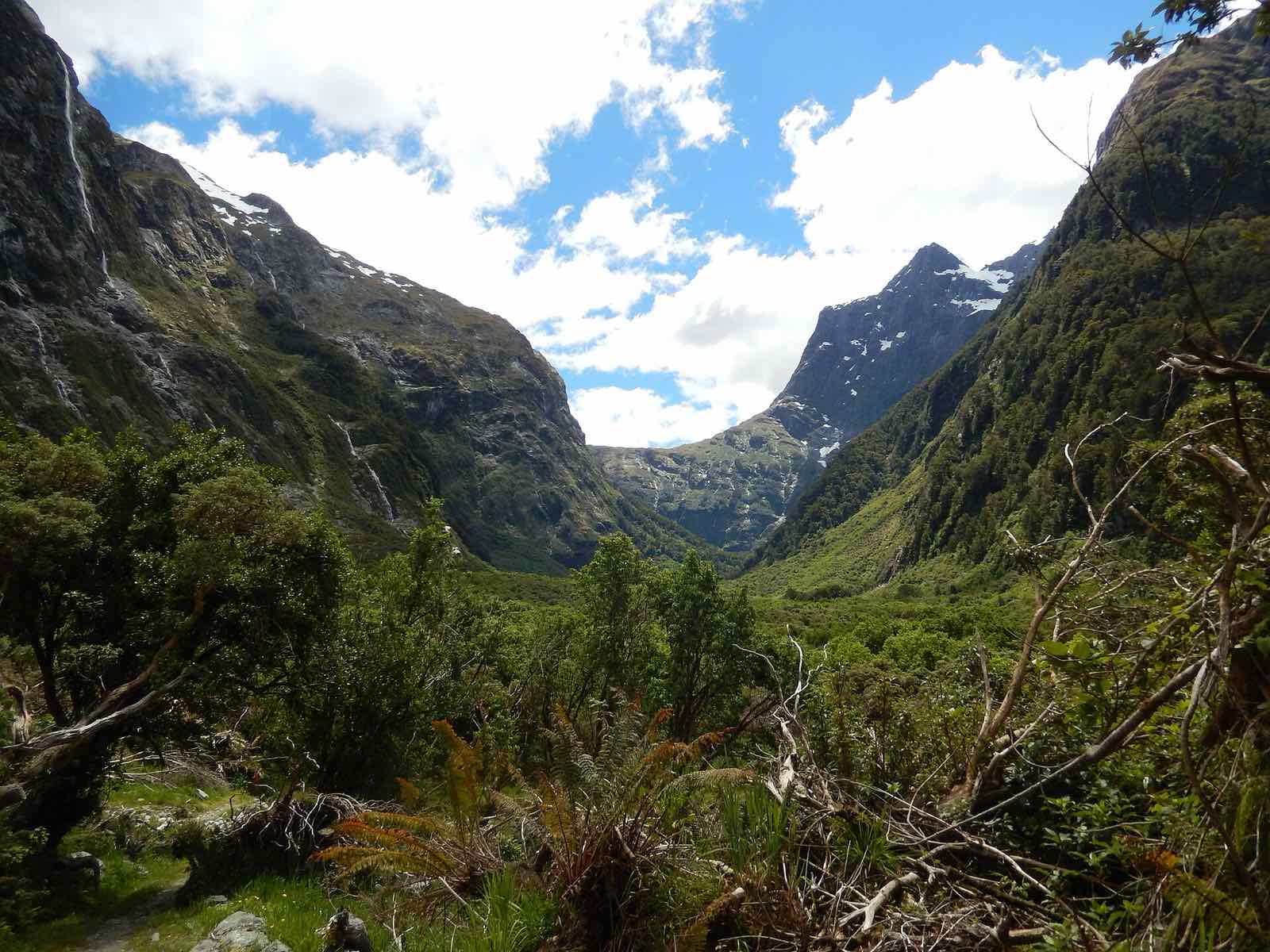
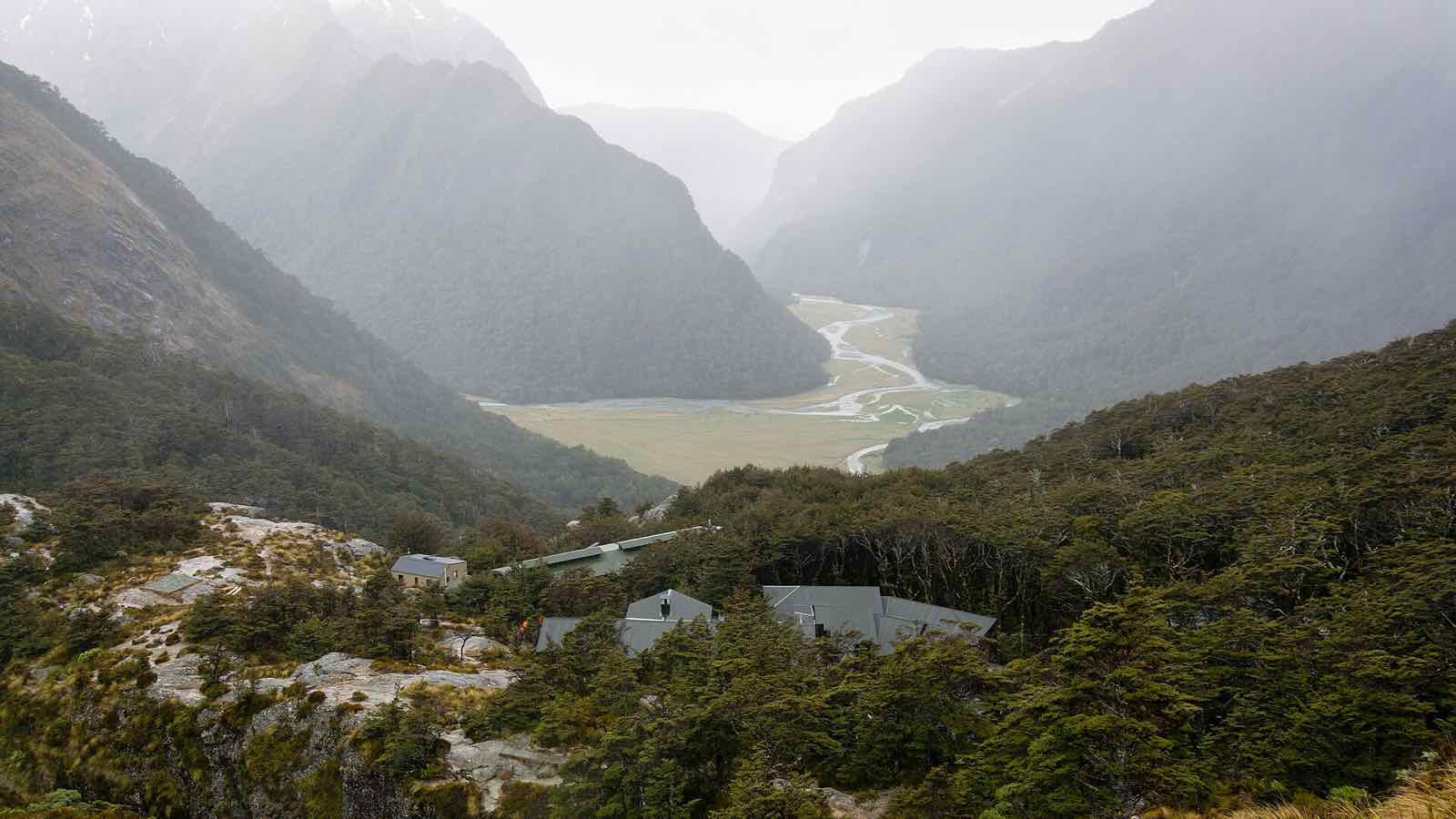
The Clinton valley on the Milford Track, the hardest Great Walk to book. Photo: AlasdairW, CC BY-SA 3.0
New Zealand's Great Walks are the country's best known multi-day tracks: well-formed paths through national parks, with huts and campsites run by the Department of Conservation (DOC). Every year, tens of thousands of trampers from New Zealand and overseas try to book one, and on the most popular walks there are far more people than bunks.
If you've opened DOC's booking site and found every night of your trip full, you're not out of luck. This guide explains how Great Walk bookings work, why they book out so early, and how people still get a bunk on a walk that's sold out.
The ten Great Walks
Ten Great Walks are booked through DOC, from Lake Waikaremoana in the North Island to Rakiura/Stewart Island in the far south. They differ a lot in how hard they are to book: the three Fiordland walks fill first, while others often have room much closer to the date.
Milford Track
Four days from Lake Te Anau to Milford Sound/Piopiotahi over Omanui/McKinnon Pass. In the season it's walked in one direction only, staying at Clinton, Mintaro and Dumpling huts in that order, with no camping. Each hut has 40 bunks, so only about 40 independent walkers can start each day, and you need a bunk on three nights in a row.
Routeburn Track
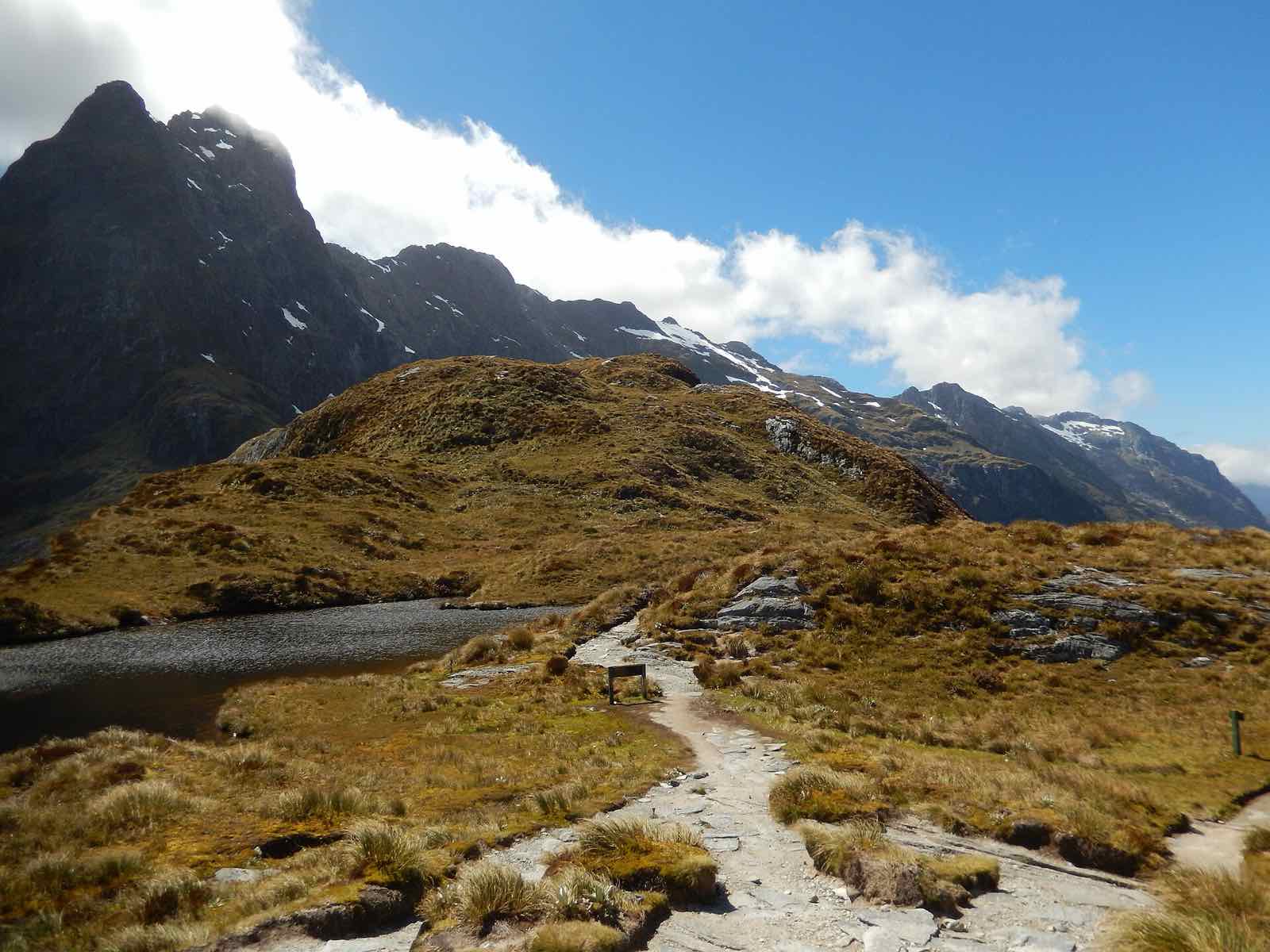
Two to four days between Glenorchy and The Divide, crossing from Mount Aspiring National Park into Fiordland over Harris Saddle. Routeburn Falls and Lake Mackenzie huts have about 50 bunks each, but Routeburn Flats Hut has only 20.
Read the Routeburn Track guide
Kepler Track
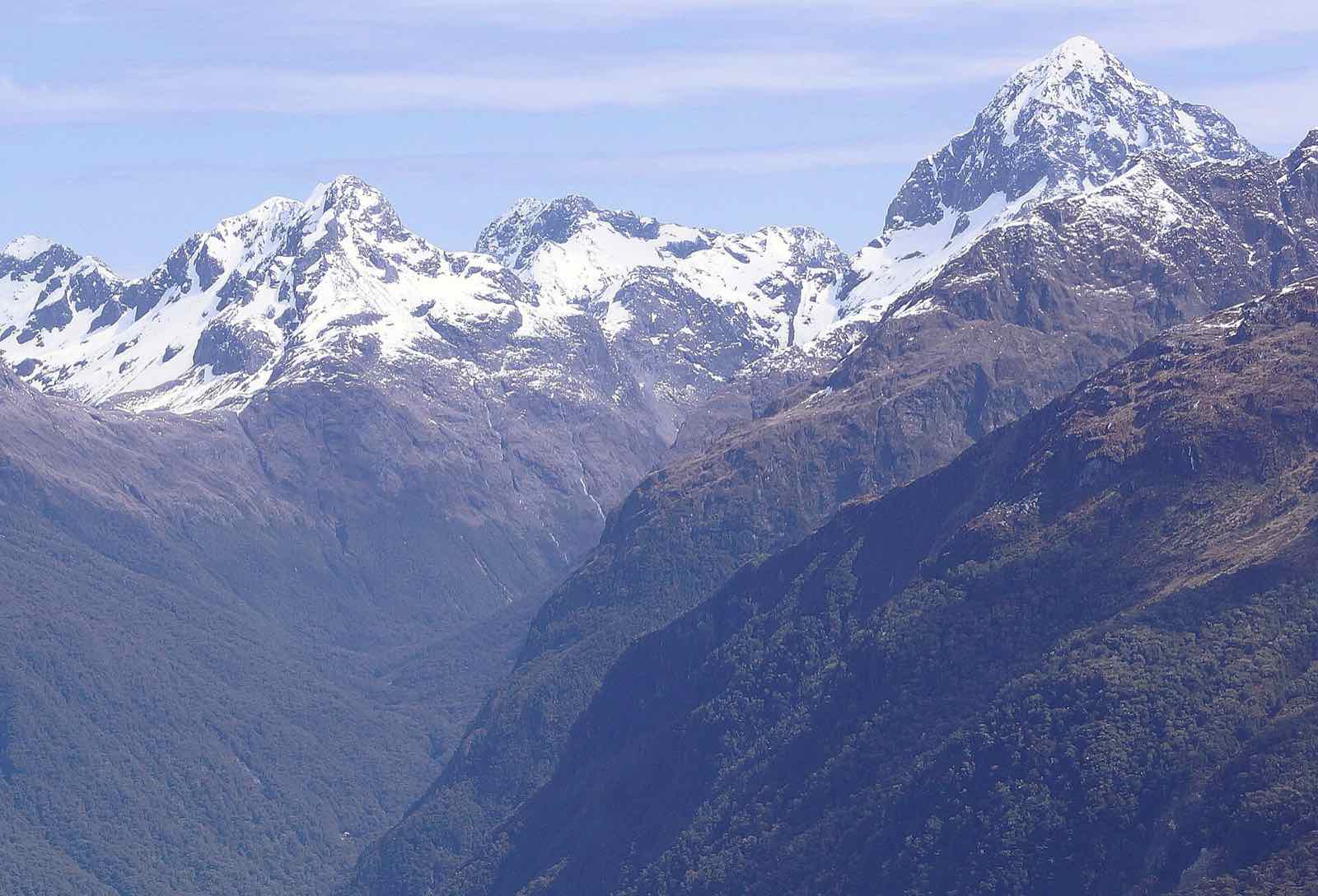
A loop from Te Anau that climbs to Luxmore Hut and follows an open alpine ridge high above Lake Te Anau before dropping to Iris Burn and Moturau huts. Most people take three or four days.
Tongariro Northern Circuit
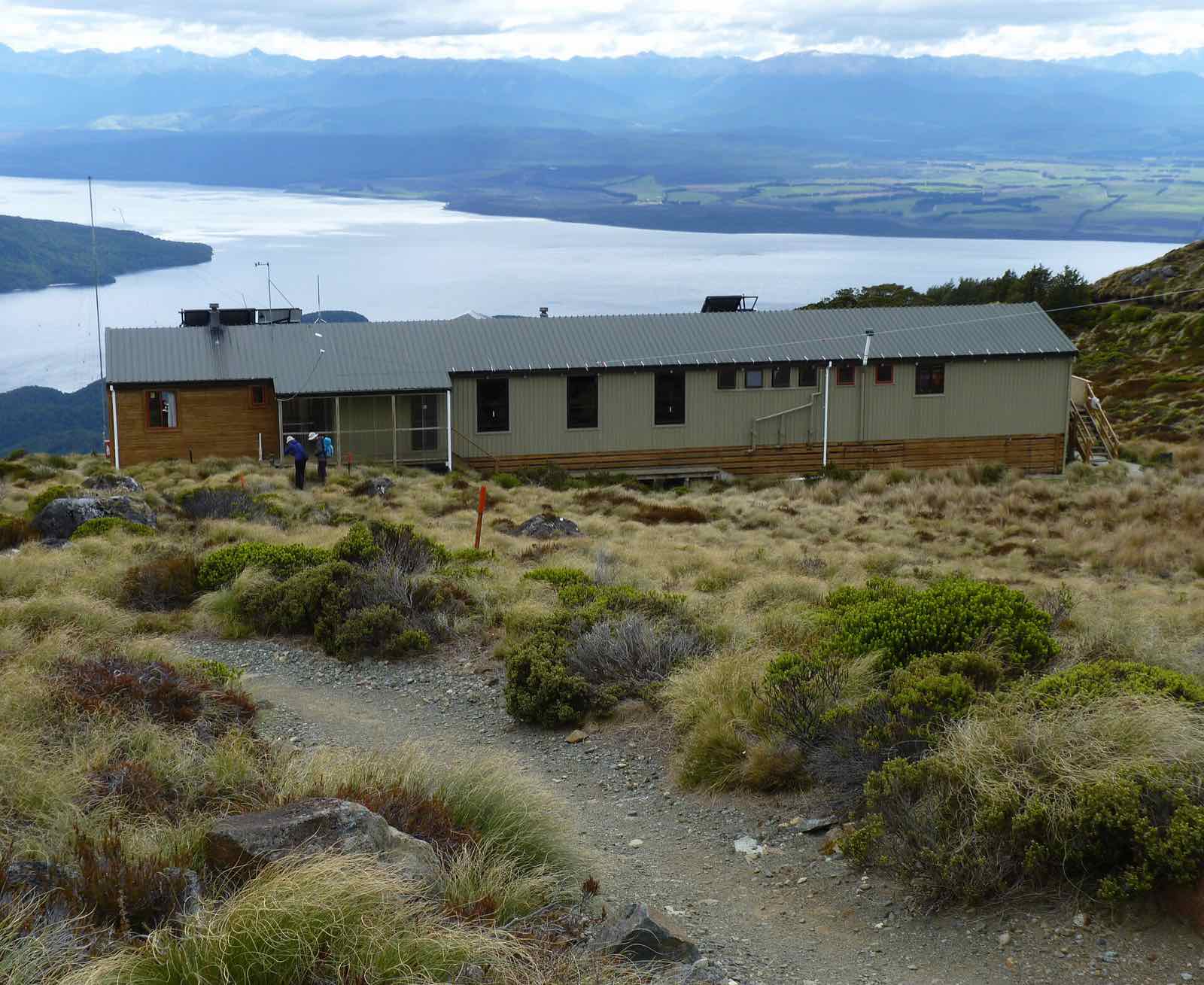
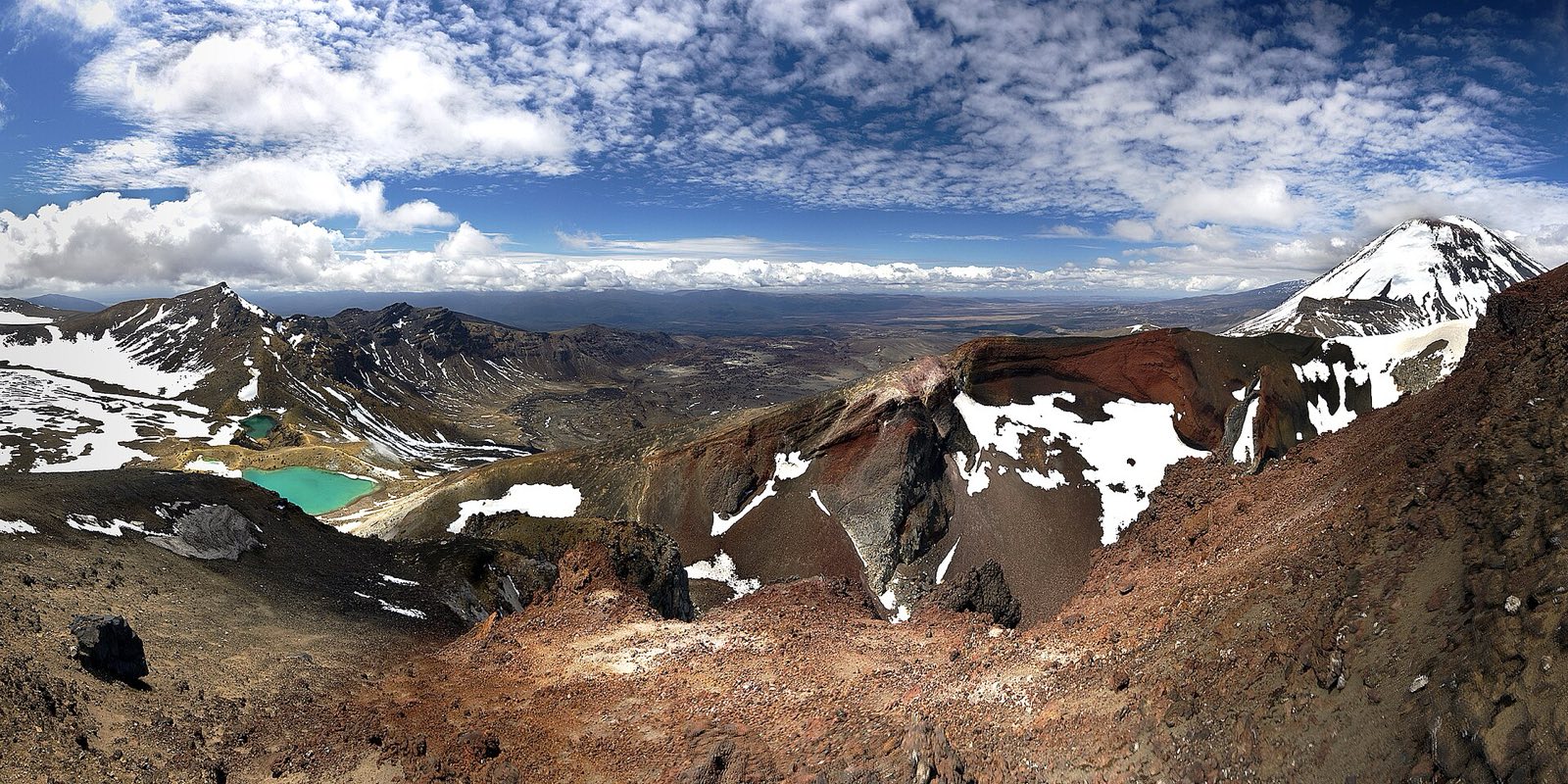
Three or four days around Mount Ngauruhoe in Tongariro National Park, over Red Crater and past the Emerald Lakes. Its three huts have 20 to 28 bunks each, with campsites beside them.
Read the Tongariro Northern Circuit guide
Abel Tasman Coast Track
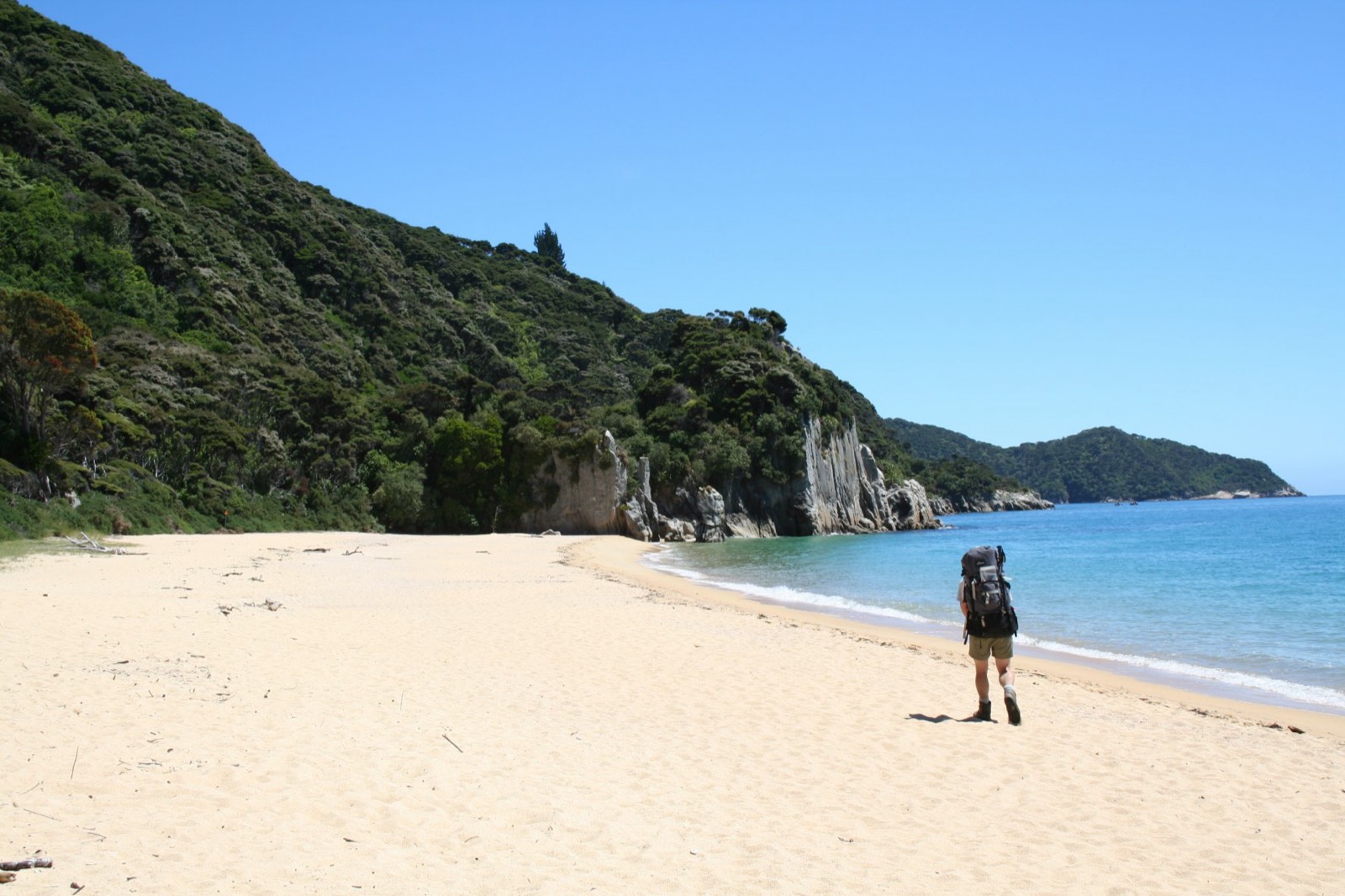
Golden beaches, bush and tidal estuaries along the coast of Abel Tasman National Park. With four huts and 18 campsites, it has more places to stay than any other Great Walk, and water taxis let you walk as much or as little of it as you like.
Heaphy Track
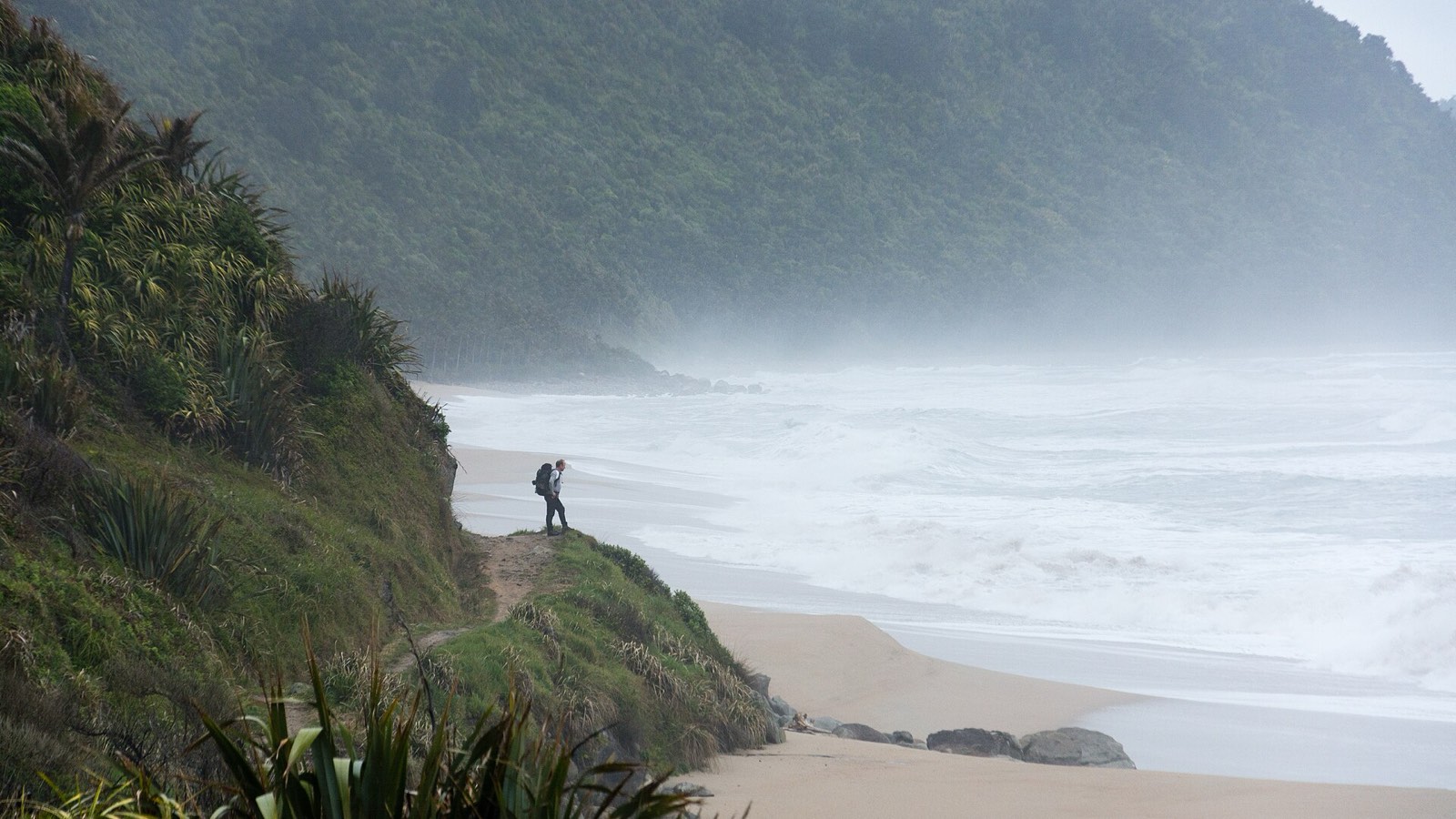
The longest Great Walk, about 78km through Kahurangi National Park from Golden Bay to the West Coast, across the tussock of the Gouland Downs and out along a coast of nīkau palms. It has six huts, from 8 bunks at Gouland Downs to 32 at Heaphy Hut.
Paparoa Track
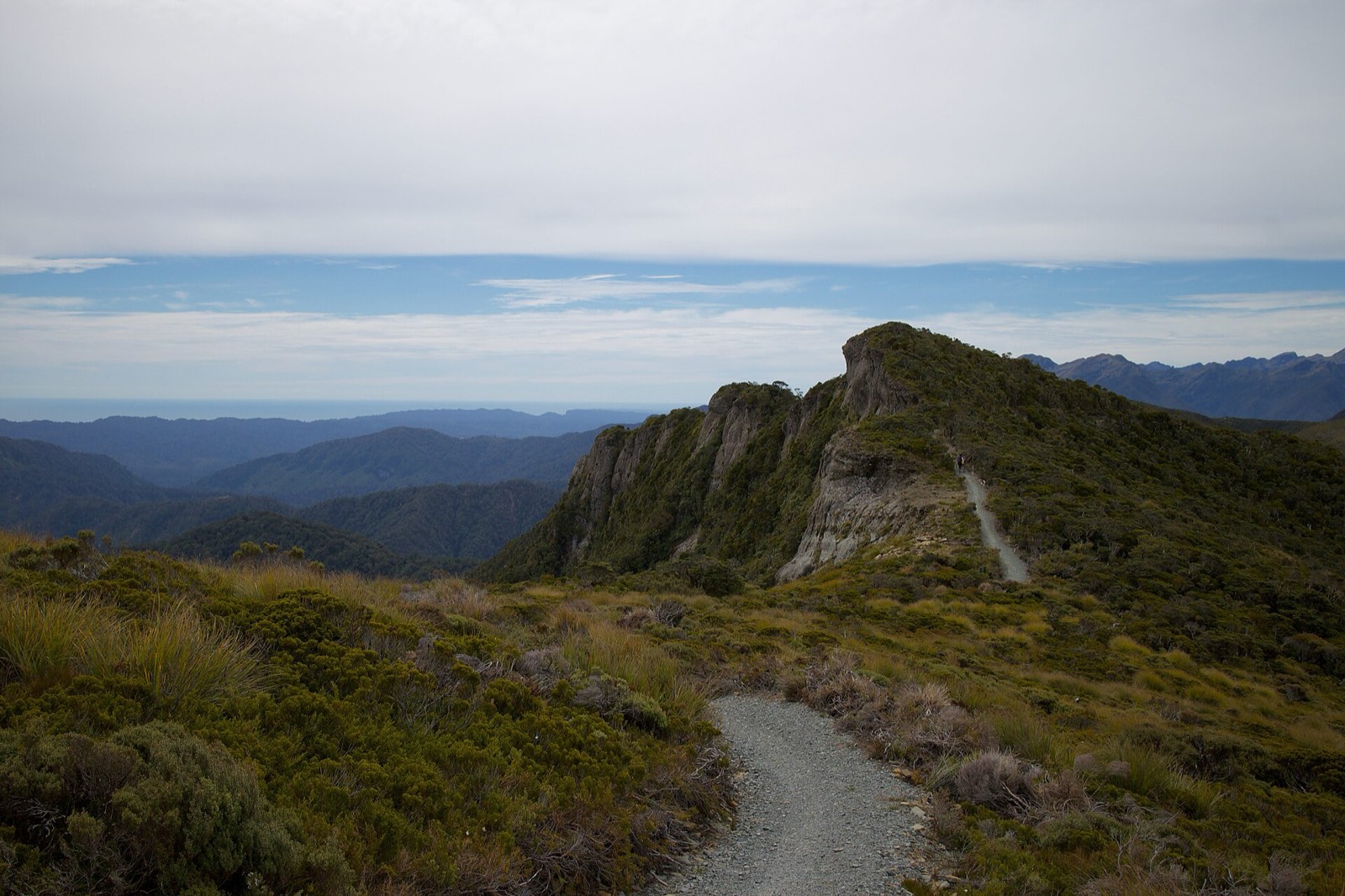
The newest of the ten, opened in 2019 in the Paparoa Range on the West Coast, and shared with mountain bikers. Its three huts are small, with 16 to 20 bunks each.
Rakiura Track
A loop on Rakiura/Stewart Island through bush and along quiet beaches, with two huts of 24 bunks each and three campsites.
Lake Waikaremoana Track
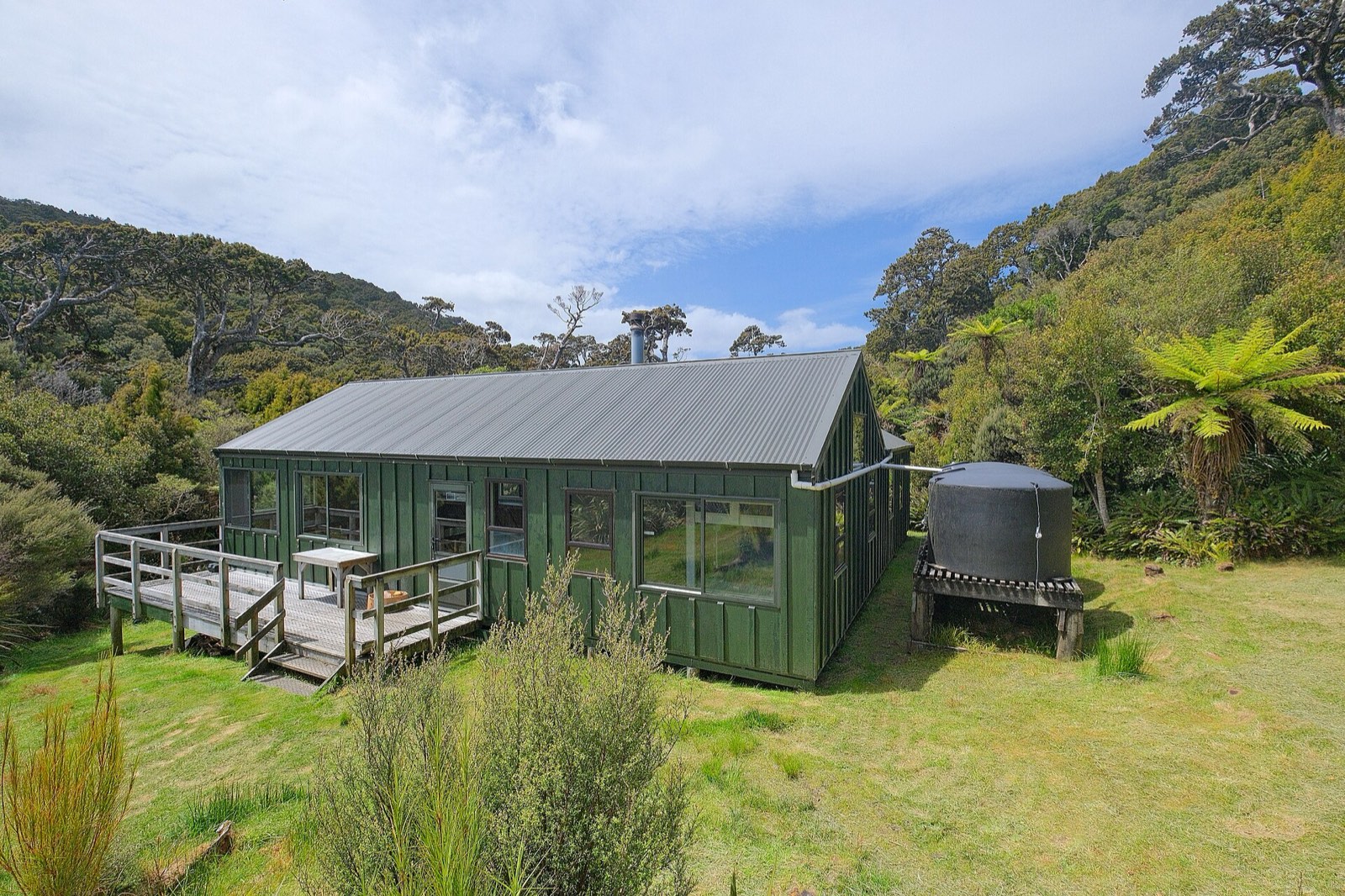
Around the shore of Lake Waikaremoana in Te Urewera, beginning with a climb to Panekire Hut on the bluffs above the lake.
Whanganui Journey
The Great Walk that's a river: several days by canoe or kayak down the Whanganui River, staying at riverside huts and campsites.
How booking works
Every Great Walk is booked on DOC's website. You don't book the walk as a whole: you book a bunk in a hut, or a site at a campsite, for each night you'll be on the track, for everyone in your group. In the Great Walks season, which starts in late October and runs to 30 April, you need a booking for every night on every walk.
- Create an account on DOC's booking site before you need it, so you're not doing it while bunks sell.
- Plan your nights: which hut or campsite you'll be at on each night of the walk. On most walks you can choose your own stops; on the Milford Track the three huts are fixed, in order.
- Book each night for your whole group. If one night is full, the rest of the trip usually doesn't work, so check every night before you pay.
- Pay DOC directly. International visitors pay a higher fee than New Zealanders, and fees change each season, so check DOC's current prices.
Outside the season, some walks don't need a booking at all, with fewer facilities in the huts and a higher chance of snow, avalanches or the track closing for weather. On others, the huts and campsites have to be booked all year round.
Why the Great Walks book out so early
DOC opens each season's bookings months in advance, on dates it announces ahead of time, often a different day for each walk. On the popular walks, opening day is a rush: thousands of people are waiting online, and the best dates are gone in minutes.
The numbers explain why. The Milford Track's huts have 40 bunks each, and every walker needs one on three nights in a row, so only about 40 independent walkers can start the track each day of the season. The Routeburn's smallest hut has 20 bunks. Summer holidays, Christmas and New Year, and weekends fill first, and by the end of opening day there's often little left for the rest of the season either.
Many people also book before their plans are certain. They grab dates on opening day to be safe, sometimes more than one set, and sort out flights and leave later.
Booked out isn't the end: people cancel all season
Because so many bookings are made months ahead, a lot of them don't survive until the walk. People cancel all season, for all the usual reasons:
- Flights, leave or travel plans change.
- Someone in the group is injured or sick, or can't come any more.
- A group that booked extra bunks to be safe gives back the ones it doesn't need.
- People who booked more than one set of dates cancel the ones they won't use.
- A bad forecast puts people off, especially close to the date.
When a booking is cancelled, its bunks go straight back on sale on DOC's site, to whoever happens to be looking at that moment. DOC doesn't keep a waiting list, and nobody is told that a bunk has opened up.
On a popular night, a cancelled bunk is usually booked again within minutes. So the people who get them aren't lucky: they're the ones checking at the right moment.
How to catch a cancellation
You can check DOC's site yourself, many times a day, for weeks. Or you can have someone check it for you. Either way, these make it much more likely you'll get a bunk:
- Watch a range of dates, not one. The more nights that would work for you, the more openings you'll see.
- Watch every hut and campsite you'd be happy with. On walks where you choose your stops, an opening at a different hut can make a new plan work.
- Keep your group small. One or two bunks open up far more often than four or six together.
- Be ready to book the moment you hear: logged in to DOC, with everyone's dates agreed.
- On walks where you need several nights, book the nights you can get, then keep watching for the rest. Check DOC's cancellation terms first, in case the rest doesn't open up.
- Look at the shoulder season. Late October, November, March and April are easier to book than the summer holidays, though early-season alpine walks can still have snow.
- Consider a less booked walk. The Paparoa, Heaphy, Rakiura and Lake Waikaremoana tracks are usually much easier to get onto than the three Fiordland walks.
Let Hut Catch watch for you
Hut Catch checks DOC's Great Walk availability every few minutes, day and night. Tell it your walk, your dates, the huts or campsites you'd take and how many people are in your group. As soon as there's room for all of you, it emails you a link to book on DOC.
It doesn't book for you, and it can't promise that someone will cancel on your dates. But it means you hear about an opening in minutes, not whenever you next remember to check.
Questions
When do Great Walk bookings open?
DOC opens bookings for each season months ahead, on dates it announces on its website beforehand, often a different day for each walk. The dates change every year, so check DOC's Great Walks page for this season's.
Is there a waiting list for the Great Walks?
No. When someone cancels, their bunks go straight back on sale on DOC's site, and whoever books first gets them. That's why an alert helps: you hear about the opening while it's still there.
Which Great Walk is the hardest to book?
The Milford Track. Each of its three huts has 40 bunks, camping isn't allowed, and you need a bunk on three nights in a row, in order. The Routeburn and Kepler are close behind.
Can I walk a Great Walk without a booking?
Not in the Great Walks season, which starts in late October and runs to 30 April: you need a hut or campsite booking for every night. Outside the season some walks don't need one, but conditions are harder and tracks can close for weather.
How quickly are cancelled bunks booked again?
On popular nights, often within minutes. Hut Catch checks every few minutes, so you hear about an opening quickly, but book as soon as the email arrives.
Does Hut Catch book the hut for me?
No. It tells you a spot has opened and links you to DOC's booking page. You book and pay DOC directly, as you normally would. Hut Catch isn't part of DOC.
Booking details are from the Department of Conservation, checked October 2026. Fees, seasons and booking dates change, so check DOC's Great Walks pages before you book. Hut Catch isn't part of DOC.
Your Great Walk is booked out?
Tell us your walk, dates and huts. We'll watch DOC around the clock and email you the moment there's room for your group.
Set up an alert